
A Homeowner's Guide to Comparing Roofing Proposals for True Quality and Value
Receiving a few different proposals for your roof replacement can feel overwhelming. With varying prices, terms, and materials, it’s easy to feel like you’re comparing apples to oranges. The temptation is to simply choose the lowest bid, but when it comes to protecting your home in the Wheaton area, the cheapest option is rarely the best value. A low price can often hide shortcuts, inferior materials, or a lack of proper insurance.
This guide will empower you to look beyond the bottom line. We'll break down the essential elements of a quality roofing proposal, helping you understand what to look for, what questions to ask, and how to identify a contractor who prioritizes durability, safety, and long-term peace of mind for your family.
Section 1: Anatomy of a Trustworthy Roofing Proposal
A professional roofing proposal is more than just a price—it's a detailed blueprint for your project. Vague, one-page quotes are a major red flag. A comprehensive proposal demonstrates a contractor's thoroughness and commitment to transparency. When reviewing your quotes, ensure they clearly outline the following:
- Detailed Scope of Work: The proposal should explicitly state every step of the process. This includes the tear-off of old roofing layers, inspection and replacement of any rotted decking (with the cost per sheet specified), installation of all new materials, and a thorough site cleanup plan.
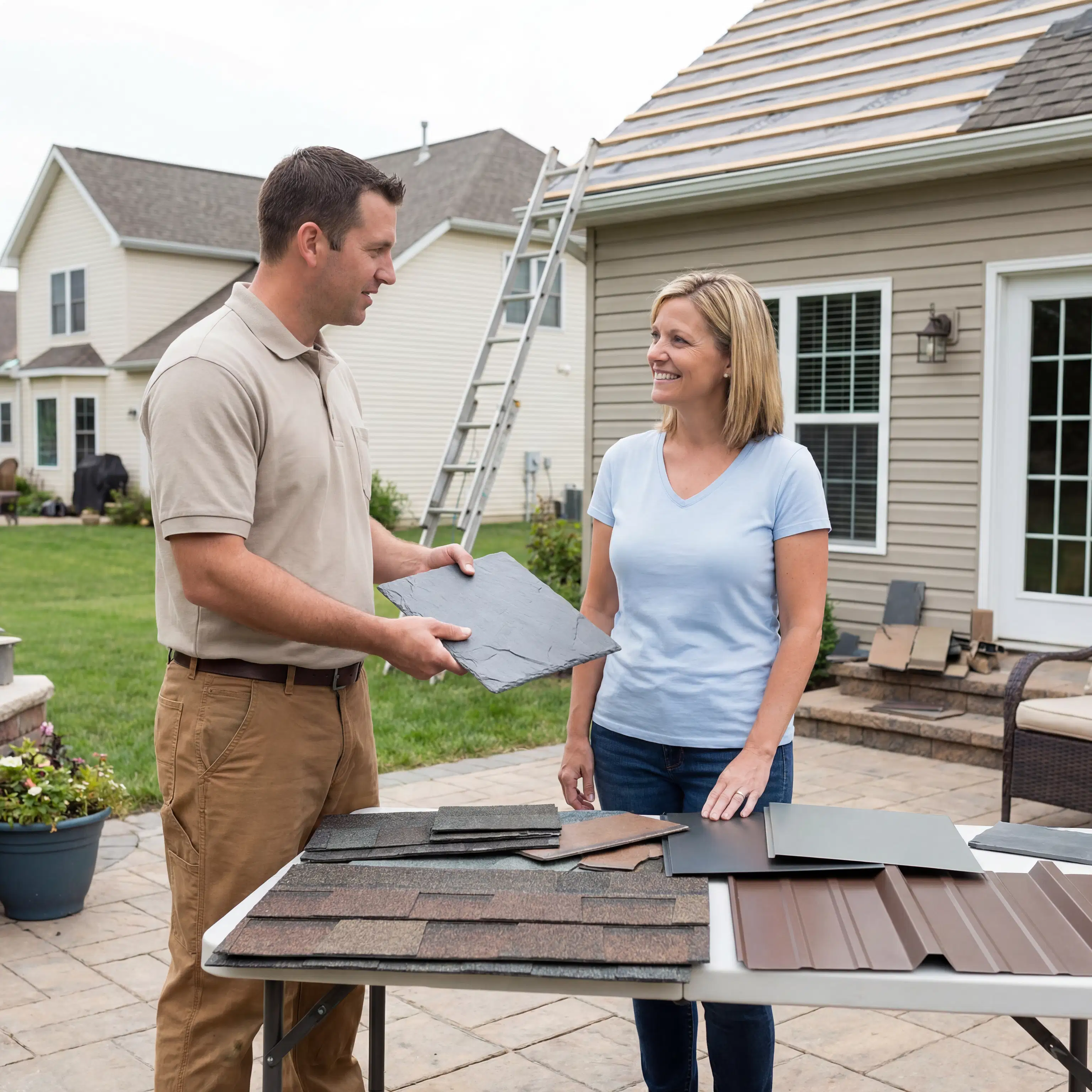
- Specific Materials List: It’s not enough to say “new shingles.” The proposal must list the exact manufacturer and product names for all components. This includes the shingles (e.g., Malarkey Vista AR or Owens Corning Duration), underlayment, ice and water shield, starter strips, hip and ridge caps, and flashing.
- Ventilation Plan: Proper attic ventilation is critical for the longevity of your roof and the energy efficiency of your home. A quality proposal will detail the plan to ensure your attic has adequate intake and exhaust ventilation, specifying the type and number of vents to be used.
- Payment Schedule: Clear terms for payment should be laid out, including the deposit amount, progress payments (if any), and the final payment due upon satisfactory completion. Be wary of contractors demanding a large percentage of the cost upfront.
- Project Timeline: The proposal should provide an estimated start date and a realistic timeframe for completion. While weather can cause delays, a professional contractor will communicate a clear plan. Most standard residential roofing projects can be completed in just one day.
Section 2: The Difference is in the Details: Materials and Installation Methods
The materials and techniques used during installation are what separate a roof that lasts a decade from one that protects your home for thirty years or more. This is where a detailed proposal proves its worth, allowing you to see exactly what you're paying for.
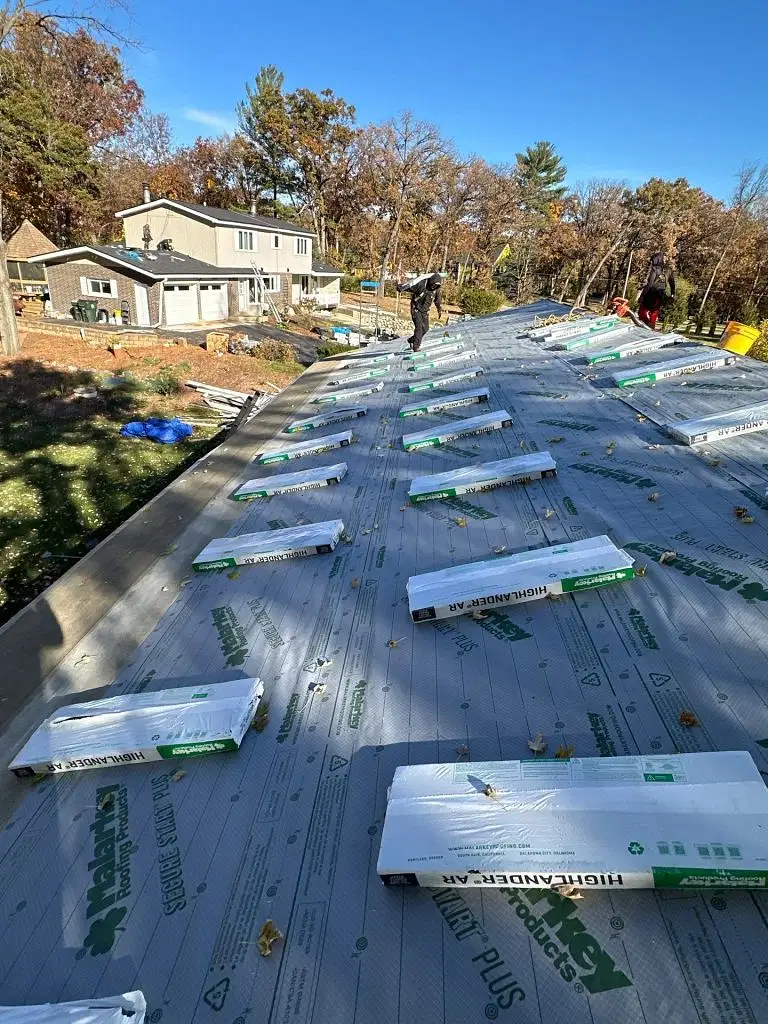
One of the most critical components for our climate is the ice and water shield. This self-adhering waterproof membrane is installed along the eaves, in valleys, and around penetrations to prevent damage from ice dams—a common and costly problem in Illinois winters. At Perfect Exteriors, we install a full six feet of ice and water shield on all eaves, exceeding standard code requirements to give your home maximum protection.
Furthermore, the proposal should confirm that all materials will be installed according to the manufacturer's specifications. This is crucial not only for performance against wind damage but also for keeping your material warranty valid. A contractor who follows these guidelines precisely is demonstrating a commitment to quality workmanship.
Section 3: Your Safety Net: Verifying Insurance and Warranties
A new roof is a significant investment, and it should be protected by more than just promises. A legitimate proposal will always be backed by proof of proper licensing, insurance, and robust warranties.
Insurance and Licensing: Your contractor must carry both general liability insurance and workers' compensation. General liability protects your property from damage, while workers' compensation covers their crew in case of injury. Without it, you could be held liable. Ask for a certificate of insurance directly from the provider to ensure it's current. This is a key way to differentiate a local professional from untrustworthy storm chasers.
Warranties: You should receive two types of warranties, and it's important to understand the difference:
- Manufacturer's Warranty: This covers defects in the roofing materials themselves. As certified installers for brands like Malarkey and Owens Corning, we can offer extended, 50-year non-prorated warranties.
- Workmanship Warranty: This is the contractor's guarantee on their installation labor. It covers any issues that arise from an error in the installation process. We stand behind our work with a 10-year workmanship warranty, giving you a decade of confidence.
If these details aren't included in the proposal, be sure to ask for them in writing before signing any contract.
Conclusion: Making a Confident Choice for Your Home
Choosing a roofing contractor is about finding a trusted partner to protect your most valuable asset. By looking for a detailed scope of work, specified high-quality materials, and comprehensive protection through insurance and warranties, you can confidently compare proposals based on true value, not just price. A thorough proposal is the first sign of a contractor who is professional, transparent, and dedicated to quality.
If you're ready for a roofing estimate that leaves no questions unanswered, the team at Perfect Exteriors is here to help. We provide detailed, easy-to-understand proposals for all our roofing services and offer flexible financing options to fit your budget. Contact us today to schedule a consultation for your Wheaton home.