
Don't Let Winter Win: A Homeowner's Guide to Preventing Ice Dams
As the leaves turn and a chill fills the air, homeowners across the Wheaton area begin preparing for the cozy months ahead. But while we're thinking about warm fires and holiday gatherings, a hidden threat is lurking on our rooftops: ice dams. These thick ridges of ice along the eaves of your house might look picturesque, but they can cause serious and expensive water damage to your roof, attic, and even the interior walls of your home. The good news is that with a little preparation, you can protect your home from this common winter problem. This guide will walk you through the essential steps for winterizing your roof and preventing ice dams before the first heavy snow.
What Exactly is an Ice Dam, and Why is it a Problem?
Understanding how an ice dam forms is the first step to preventing one. It’s a simple, yet destructive, chain of events:
- Heat Escapes: Heat from your home rises into the attic, warming the underside of the roof deck.
- Snow Melts: This warmth causes the snow on the upper parts of your roof to melt, even when the outside temperature is below freezing.
- Water Refreezes: The melted snow (water) runs down the roof until it reaches the cold eaves and gutters, which are not warmed by the attic heat. Here, the water refreezes, creating a small dam of ice.
- The Dam Grows: As more snow melts and runs down, it hits the dam and freezes, causing the ice dam to grow larger.
- Water Backs Up: Eventually, a pool of water forms behind the dam. With nowhere to go, this water is forced back up under your shingles and through the roof deck into your attic.
Once water gets inside, it can lead to rotted roof decking, soaked and ineffective insulation, stained ceilings, and even mold growth. What starts as a winter wonderland on your roof can quickly become a costly nightmare, highlighting the importance of preventative roof repairs and maintenance.
Your First Line of Defense: Clean and Functional Gutters
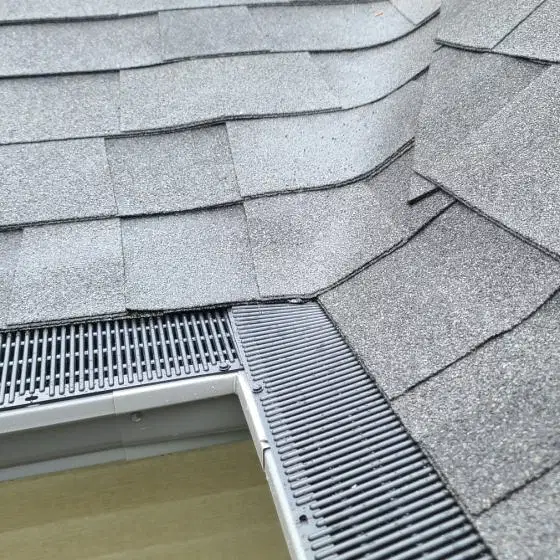
Before we even talk about the roof itself, let's look at your gutters. If your gutters are clogged with leaves, twigs, and other debris from the fall, they can’t do their job. Water from melting snow has nowhere to drain, which greatly accelerates the formation of ice dams. A simple, proactive step every homeowner should take is a thorough gutter cleaning after the last leaves have fallen.
Ensuring your gutters are clear and securely attached allows water to flow away from your roof and foundation as intended. This simple act of maintenance is one of the most effective and affordable ways to reduce your risk of ice dams. For a more permanent solution, consider installing gutter guards, which can prevent debris buildup year-round.
The Core Issue: A Warm Attic Needs to Cool Down
While clean gutters are crucial, the root cause of most ice dams is a warm attic. The ultimate goal is to keep your entire roof surface the same temperature as the outdoor air. This is achieved through a combination of proper insulation and ventilation.
- Insulation: A thick, even layer of insulation on your attic floor prevents warm air from your living spaces from rising and heating the underside of your roof. Check for gaps in your insulation, especially around light fixtures, vents, and attic access hatches, and seal them appropriately.
- Ventilation: A well-ventilated attic allows cold outdoor air to circulate, removing any warm air that does escape. This is accomplished with a balanced system of intake vents (in the soffits or eaves) and exhaust vents (at or near the roof's peak). Proper roof ventilation is a critical component of a healthy roofing system, protecting it not just in winter but from extreme heat in the summer as well.
The Professional's Secret Weapon: Ice and Water Shield
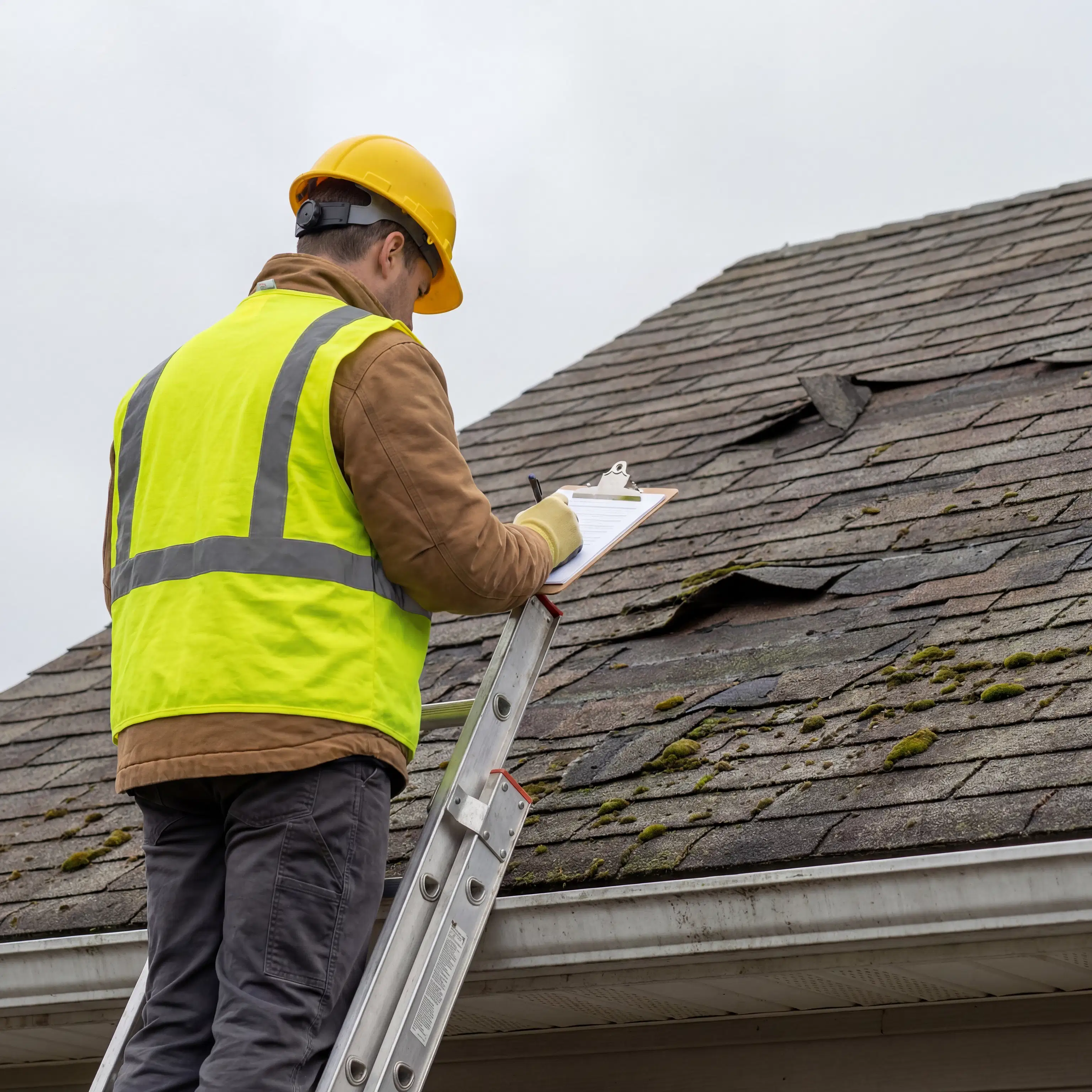
Even with good insulation and ventilation, some homes, particularly older or historic homes with complex rooflines, can still be prone to ice dams. That’s why a modern residential roofing system includes a critical layer of protection called an ice and water shield.
This is a self-adhering waterproof membrane that is installed directly on the roof decking along the most vulnerable areas—the eaves, valleys, and around penetrations like chimneys and skylights. It acts as a final, impermeable barrier. If water does get past the shingles, it cannot penetrate this membrane and enter your home.
At Perfect Exteriors, we understand the harsh realities of Illinois winters. That’s why, on our roof installations, we install a full six feet of ice and water shield on the eaves. This goes beyond the minimum code requirements and provides your home with a superior level of protection against ice dams, giving you peace of mind when the snow starts to fall.
Protect Your Home This Winter with Perfect Exteriors
Winterizing your roof is one of the smartest investments you can make in your home. By ensuring your gutters are clean, your attic is properly insulated and ventilated, and your roof is equipped with a robust ice and water shield, you can prevent the formation of destructive ice dams.
If you have experienced ice dams in the past or are concerned about your roof's ability to handle the upcoming winter, don't wait for damage to occur. The team at Perfect Exteriors has been serving the Wheaton community for years, and we have the local expertise to diagnose and solve your roofing issues. Contact us today for a comprehensive roof inspection or to discuss how we can build you a new roof designed to withstand the worst of our Midwest winters.