
Don't Let Winter Win: How Proper Roof Ventilation Prevents Costly Ice Dams
Every homeowner in the Wheaton area knows the sight: a beautiful blanket of snow on the roof, with a fringe of sparkling icicles along the edge. While they might look picturesque, those icicles can be a warning sign of a serious problem brewing overhead—ice dams. These thick ridges of ice at the edge of your roof can cause water to back up under your shingles, leading to leaks, water damage, and costly repairs. Many homeowners believe this is just an unavoidable part of a DuPage County winter, but the truth is that most ice dam issues stem from a problem inside your attic. The long-term solution isn't just about removing the ice; it's about preventing it from forming in the first place. In this post, we'll explain the crucial role your attic's ventilation plays in protecting your home and how a well-balanced system can save you headaches and money for years to come.
What Really Causes Ice Dams?
An ice dam is the result of a temperature imbalance across your roof. It happens when the upper part of your roof is warm enough to melt snow, while the lower edge (the eaves) remains below freezing. Here’s the step-by-step process:
- Heat Escapes: Warm air from your living spaces rises and escapes into the attic. Poor insulation and air leaks around light fixtures, vents, or attic hatches are common culprits.
- Snow Melts: This trapped heat warms the underside of your roof deck, causing the snow on top to melt, even when the outside temperature is freezing.
- Water Refreezes: The melted snow runs down the roof until it reaches the cold eaves and gutters, which are not warmed by the attic heat. Here, the water refreezes, creating a small dam of ice.
- Water Backs Up: As more snow melts, the water pools behind this growing dam. With nowhere else to go, it can seep underneath your shingles, through the roof deck, and into your attic and walls.
This cycle can lead to significant damage, including ruined insulation, stained ceilings, and even mold growth. It's a classic example of how a seemingly small issue can lead to major, unexpected expenses.
The Unsung Hero: A Balanced Attic Ventilation System
The most effective way to prevent ice dams is to keep your entire roof the same temperature as the outdoors. This is achieved through a balanced system of roof ventilation. A properly ventilated attic acts like a chimney, creating a continuous flow of air that keeps the space cool and dry.
A balanced system has two key parts:
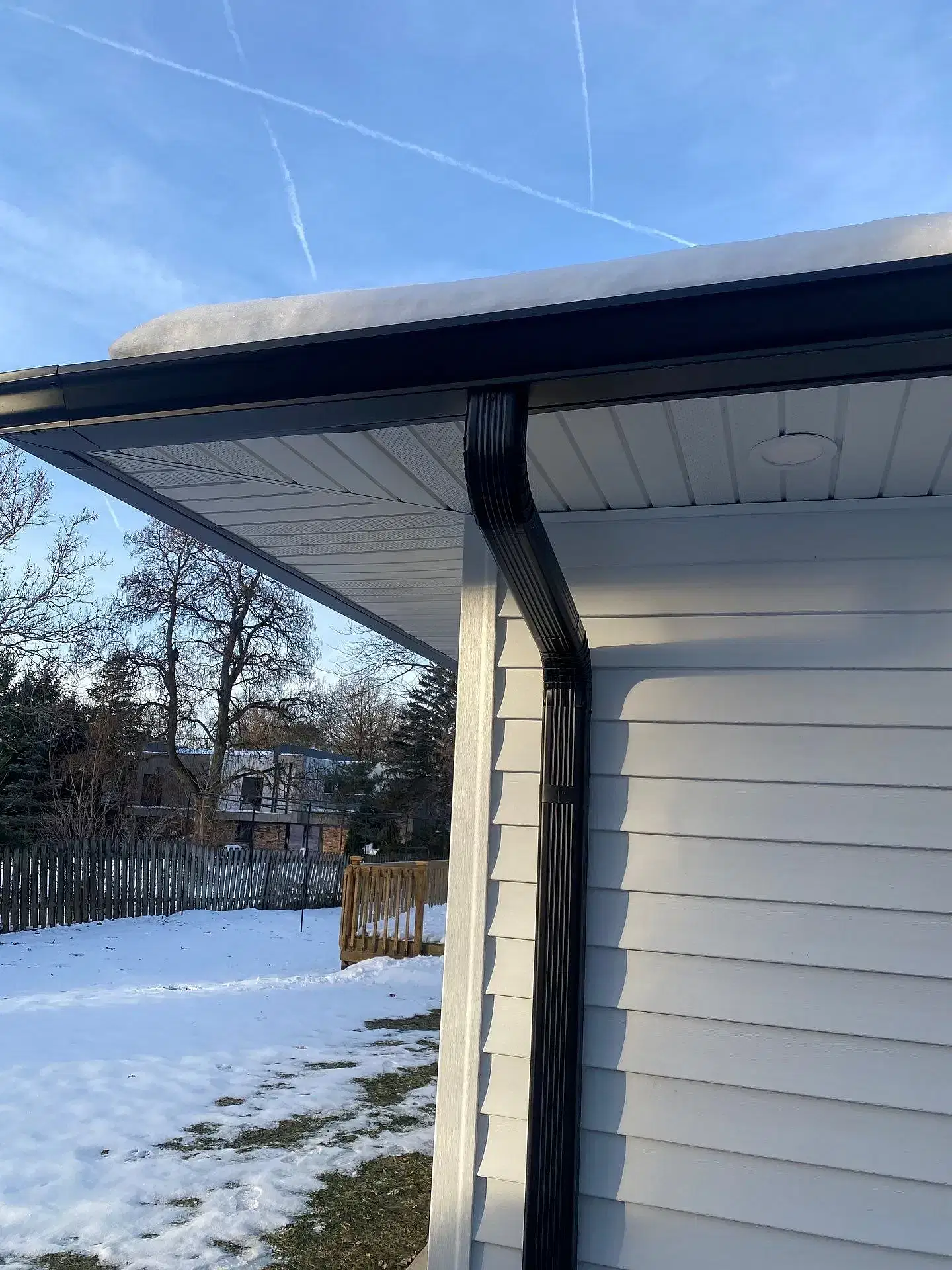
- Intake Vents: Located at the lowest part of the roof, typically in the soffits (the underside of your roof's overhang), these vents draw cool, fresh air into the attic.
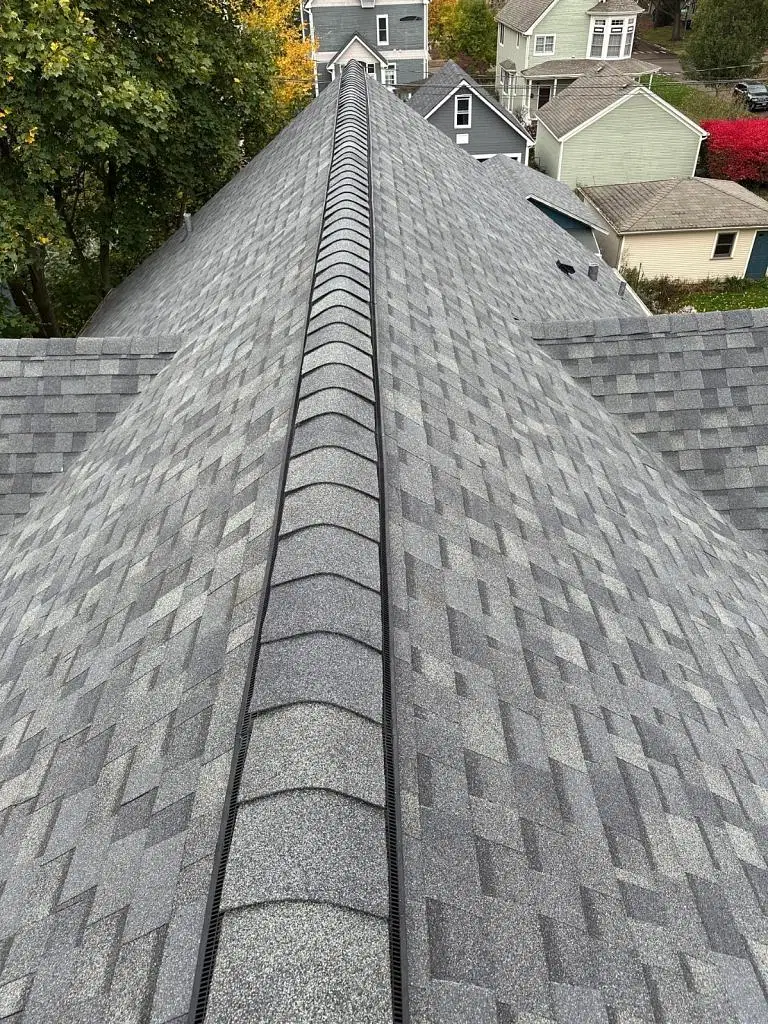
- Exhaust Vents: Placed at or near the peak of the roof (like ridge vents or box vents), these allow warm, moist air to escape.
This constant airflow prevents the heat from your home from building up and warming the roof deck. As we explain to our customers, a modern, properly ventilated roofing system doesn't just protect you from leaks; it can also lead to energy savings. By regulating the attic temperature, your HVAC system doesn't have to work as hard to compensate for heat loss in the winter or heat gain in the summer. It's a crucial component of a high-performing residential roofing system that provides long-term value.
Signs Your Home's Ventilation Might Be Lacking
How can you tell if your attic ventilation isn't up to the task? Some signs are more obvious than others. Here are a few things to look out for:
- Recurring Ice Dams: This is the most obvious sign. If you see thick ice buildup along your eaves every winter, poor ventilation is a likely cause.
- Thick Icicles: While some small icicles are normal, numerous large ones forming along the gutters indicate that a lot of snow is melting and refreezing.
- Moisture in the Attic: During a cold snap, check your attic. If you see frost on the underside of the roof sheathing or on exposed nail heads, it's a clear sign that warm, moist air is trapped.
- Stuffy Second Floor in Summer: In warmer months, poor ventilation can trap super-heated air in the attic, making your upstairs rooms uncomfortably hot and driving up cooling costs.
- Premature Shingle Deterioration: Trapped heat can essentially “cook” your asphalt shingles from the inside out, causing them to curl, crack, and fail long before their expected lifespan.
If you notice any of these issues, it's wise to have a professional conduct a thorough roof inspection to diagnose the problem.
A Complete System for Winter Protection
While ventilation is the cornerstone of ice dam prevention, it works best as part of a complete roofing system designed for our climate. At Perfect Exteriors, we take a comprehensive approach. In addition to ensuring correct ventilation, we install a crucial secondary barrier: an ice and water shield.
This is a self-sealing, waterproof membrane that we apply directly to the roof deck along the most vulnerable areas. We make it our standard practice to install six feet of ice and water shield on the eaves. This provides a robust, waterproof seal that prevents any backed-up water from penetrating your roof deck, even if an ice dam were to form. It’s an extra step that provides invaluable peace of mind and protection against the worst of our winter weather. Combined with proper attic insulation, these components work together to keep your home safe, dry, and efficient.
Protect Your Home This Winter with Perfect Exteriors
Ice dams are more than just a winter nuisance; they're a sign that your roofing system isn't functioning correctly and could be putting your home at risk for serious water damage. The best defense is a proactive one: a balanced attic ventilation system that keeps your roof cold and prevents ice from ever getting a foothold.
If you're concerned about your home's defense against harsh Wheaton winters or have noticed signs of poor ventilation, don't wait for a leak to appear. Contact Perfect Exteriors today for a comprehensive roof inspection. Our experienced team will assess your current roof ventilation, check for any existing issues, and provide a clear, honest plan to protect your home for years to come. Let us help you ensure your home is safe, sound, and ready for whatever winter brings.