
Is Your 90s Home Due for a New Roof? Key Signs to Look For
Homes built in the 1990s have a certain charm and character, especially the beautiful residences here in the Wheaton area. They were built to last, with solid construction that has stood the test of time. However, even the most well-built homes have components with a finite lifespan, and for many houses from that era, the original roof is approaching its expiration date.
An aging roof isn't just a cosmetic issue; it's the first line of defense for your entire home. Waiting for an obvious leak can lead to stressful, expensive, and unexpected damage. The good news is that your roof will almost always give you warning signs before it fails completely. Understanding these signs allows you to be proactive, protecting your investment and giving you peace of mind. This guide will walk you through the key indicators that your 90s-era roof may need professional attention.
The 20-Year Mark: Understanding Your Roof's Lifespan
The most common roofing material used on homes in the 90s was the 3-tab asphalt shingle, which typically came with a 20 to 25-year lifespan. If your home was built in 1998, your roof is now over 25 years old. While some architectural shingles from that period had slightly longer warranties, the harsh Illinois climate often has other plans.
Decades of exposure to intense summer sun, heavy snow, freezing rain, and strong winds can significantly accelerate the aging process. Events like hail damage or the formation of ice dams can take years off a roof's effective life. Simply put, if your roof is original and over two decades old, it’s no longer a question of if it will need replacing, but when. Being proactive now can save you from the headache of an emergency replacement later.
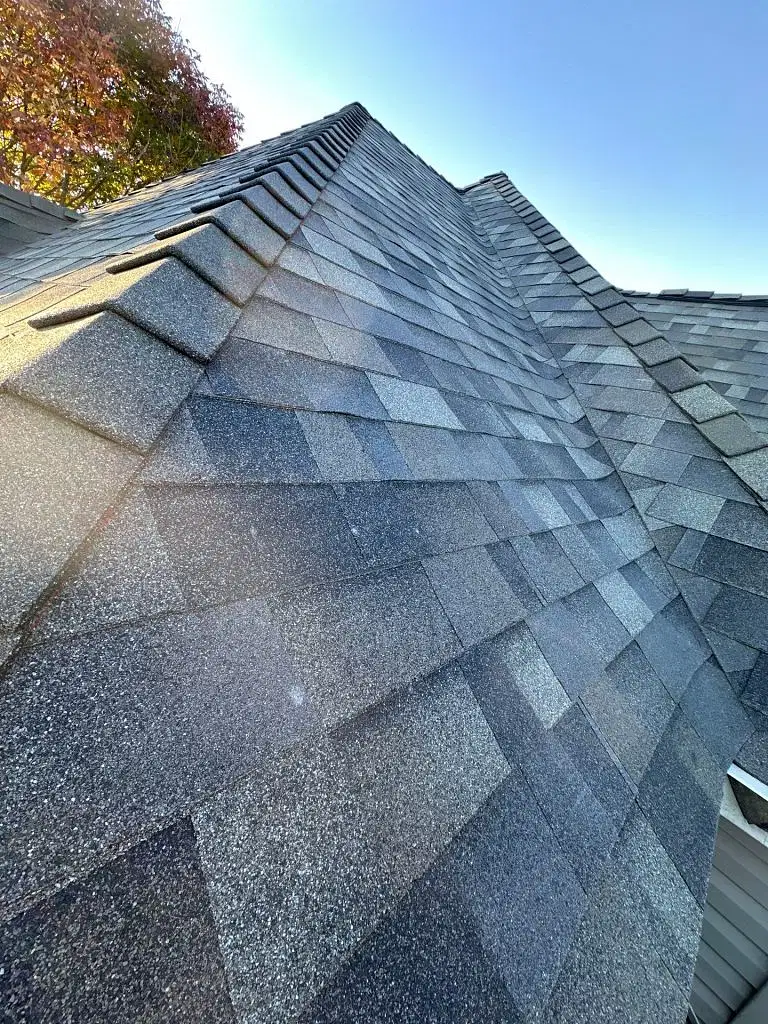
Visual Clues: What to Look for From the Ground
You don’t need to climb a ladder to get a good idea of your roof's condition. A simple walk around your property can reveal several telltale signs of wear and tear. Grab a pair of binoculars for a closer look and see if you can spot any of these common issues:
- Curling or Cracking Shingles: As shingles age, they lose their flexibility. You might notice the edges and corners beginning to curl upwards or see visible cracks and splits across their surface. This is a critical sign of failure, as it breaks the watertight seal and makes your roof vulnerable to wind and water intrusion.
- Missing Granules and 'Bald Spots': Those sand-like granules on your shingles do more than just add color; they protect the underlying asphalt from damaging UV rays. As the roof ages, these granules flake off. You may find them collecting in your gutters or on the ground near your downspouts. Large “bald” patches or areas where you can see the shiny, black exposed fiberglass mat underneath are a clear indication that the shingles have lost their protective layer and are nearing the end of their life.
- Dark Streaks or Algae: While the dark streaks caused by algae (Gloeocapsa magma) are often a cosmetic issue, they can signal that your shingles are retaining moisture. On an older roof, this can contribute to faster deterioration.
Internal Investigation: Signs Inside Your Attic and Home
Sometimes, the most definitive signs of a failing roof are found inside your house. If you can, a quick and safe peek into your attic is one of the best ways to assess your roof's health, especially after a heavy rainstorm.
Look for water stains in the attic on the underside of the roof deck or on the insulation. These stains might look like dark spots, streaks, or rings. They are direct evidence of a leak, even if it hasn't made its way down to your living spaces yet. Don't ignore them; a small attic leak today can become a major ceiling repair tomorrow.
Other signs within your home include:
- Stains appearing on interior ceilings or walls.
- Peeling or bubbling paint near the ceiling.
- A musty odor in certain rooms, which could indicate hidden moisture.
These internal clues suggest that water has already breached the roofing system and is beginning to impact your home's structure.
Repair vs. Replace: Making the Right Long-Term Decision
It can be tempting to opt for a simple patch or a small roof repair when you spot a problem. If your roof is relatively new and has isolated damage, a repair is often the perfect solution. However, on a 20+ year-old roof showing widespread signs of aging like curling shingles and significant granule loss, a full replacement is almost always the smarter long-term investment.
Think of your roof as a complete system. Patching one section of failing shingles won't stop the other aging sections from failing soon after. A full residential roofing replacement addresses the entire system—from the underlayment and flashing to proper ventilation—ensuring your home is protected for decades to come. It provides a comprehensive solution that restores the integrity of your home's most important shield.
Protect Your Investment with a Professional Inspection
If you've noticed any of the signs we've discussed, don't wait for the problem to get worse. As a family-owned business that has served this community for over 15 years, Perfect Exteriors is committed to providing honest assessments and high-quality solutions.
An aging roof doesn't have to be a source of anxiety. Let our experienced team provide a free, no-obligation inspection to give you a clear picture of your roof's condition. We can help you understand your options for repairs, replacement, and even new skylights to brighten your home. We also offer flexible financing options to ensure your project fits your budget. Contact Perfect Exteriors today to schedule your inspection and protect your Wheaton home for the years ahead.